Pool Cue Tips
PoolDawg carries over 100 high-quality pool cue tips from trusted manufacturers like Tiger, Kamui, Caiden, Predator, and Moori, with options for playing, breaking, and jumping. Whether you're looking for a softer feel, a firmer hit, or a dedicated break tip, we've got the perfect option to fit your game. Use our filters to narrow down your choices, or give our team of billiards experts a call at 866-843-3294. We're real pool players who know our equipment and are always happy to talk tips!
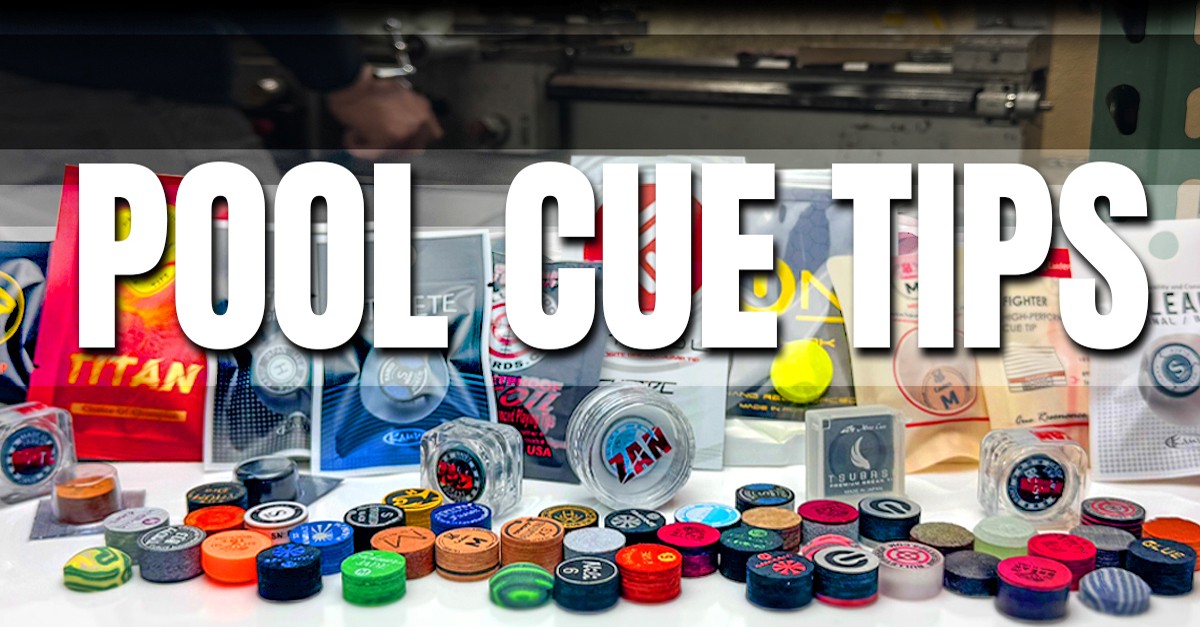
Playing Tips vs. Break and Jump Tips
Not all pool cue tips are built for the same purpose. Playing tips are designed for everyday shots and cue ball control, while break and jump tips are constructed to handle harder impacts and the demands of specialty shots. Choosing the right type of tip for your cue is a good place to start.
| Features | Playing Tips | Break & Jump Tips |
|---|---|---|
| Built for | Standard play, spin, and cue ball control | Breaking and jumping |
| Typical material | Layered or single-piece pressed leather | Phenolic, resin composites, or extra-hard leather |
| Hardness | Soft, medium, or hard | Generally extra-hard or specialized construction |
| Feel | Ranges from soft and responsive to firm and crisp | Firm, minimal compression |
Choosing the Right Pool Cue Tip
Finding the right pool cue tip comes down to your playing style, personal preference, and how you like your cue to feel. Two of the biggest factors to consider are tip hardness and construction.
Soft, Medium & Hard Pool Cue Tips
- Soft Tips: Compress more on impact, providing a softer, more responsive feel. Many players prefer softer tips for applying English, draw, and other spin shots because of the feedback and feel they provide. However, they generally require more shaping and maintenance.
- Medium Tips: Offer a great balance of feel, control, and durability. They're a popular all-around choice for beginners, league players, and anyone looking for reliable performance without as much maintenance.
- Hard Tips: Compress less on impact, producing a firmer, crisper hit. They typically hold their shape longer and require less maintenance, making them popular among players who prefer a more solid feel.
Not sure where your favorite tip falls on the hardness scale? Check out our Pool Cue Tip Buying Guide, where we've tested and measured the hardness of the tips we carry so you can compare them side by side. You can also read our Choosing a Pool Cue Tip article for more help finding the right fit.
Choosing the Right Break Cue Tip: Materials, Feel & Performance
While some hard playing tips can be used for breaking, dedicated break tips are generally a better choice because they're designed to handle repeated, high-impact shots. Their firmer construction reduces compression on contact, providing a more solid hit and efficient energy transfer.
Break cue tips come in a variety of materials, including phenolic, resin/fiber hybrids, and extra-hard layered leather. Phenolic tips are extremely hard, producing a rigid, sharp, clicky hit. Resin/fiber hybrids are also exceptionally hard but can offer a little more grip on contact, while extra-hard leather tips provide a slightly more forgiving feel with additional grip. Choosing the right break tip ultimately comes down to your preference for firmness, feel, and grip.
Layered Leather Pool Cue Tips vs. Pressed Leather Tips
Layered leather tips are made from multiple thin layers of leather bonded together. They're the preferred choice for many players because they provide more consistent performance, hold their shape longer, and generally require less maintenance than traditional pressed leather tips. Most of the premium playing tips we carry use this construction, with a wide range of hardness options to suit different playing styles.
Pressed leather tips are made from a single piece of compressed leather and offer a more traditional playing feel. They're typically more affordable and provide the solid, direct feedback that many longtime players enjoy. A classic example is the Le Pro tip, which has been a popular choice for decades. While pressed leather tips can perform well, they generally require more shaping and maintenance to keep them playing consistently.
Both styles have their place, but layered leather tips are our recommendation for most players looking for consistent performance and durability.
Popular Pool Cue Tip Brands at PoolDawg
From longtime favorites to newer tip manufacturers, PoolDawg carries plenty of great options for different playing styles. Here are a few of our favorites!
- Tiger: One of the biggest names in pool cue tips, with a wide variety of options to fit different playing styles. Popular choices include the Everest, Sniper, and Onyx layered leather tips.
- Kamui: Known for premium layered leather tips with a variety of hardness options. Kamui Black, Original (Tan), and Clear series are longtime favorites among players who are particular about their tip's feel and response.
- Caiden: The Fighter and Warrior series feature 10 layers of premium pigskin leather, with hardness options ranging from super soft to hard for different playing preferences.
- HOW: Offers premium layered leather tips, including the HOW Titan series, which features nine layers of Japanese pigskin and an energy pad for a responsive hit.
- Zan: Known for high-quality layered leather tips, Zan uses carefully selected combinations of pig and hog leather to deliver a consistent feel across a variety of hardness options.
- Samsara: Offers premium layered leather playing tips along with the popular Samsara Break Jump tip, known for its firm hit and traditional leather feel.
Pool Cue Tip Care & Maintenance
Even the best pool cue tip needs a little attention to stay in good playing condition. Keeping your tip properly shaped and scuffing it when necessary can help maintain chalk adhesion and consistent performance. Softer tips may require a little extra maintenance, especially when they are new, as they settle into the compression forces that can cause them to flatten or mushroom. For added protection, tip protectors like the Kamui Tip Protector help shield the leather from air and moisture to maintain its condition between games.
Check out our selection of pool cue tip tools for shapers, scuffers, and other accessories to keep your tip in top shape.
Need Help Choosing a Pool Cue Tip?
Still not sure which tip is right for you? Use our filters to narrow down your options by tip type, brand, availability, and price. If you need a little extra help, our team of real pool players is always happy to answer questions. Give us a call at 866-843-3294, and we'll help you find the right tip for your game!
Looking for more than just tips? Browse our full selection of pool cue accessories for chalk, gloves, maintenance supplies, and more.
Frequently Asked Questions About Pool Cue Tips
What is the difference between a playing tip and a break tip?
The main difference is that playing tips are designed for precision and ball control during standard shots, while break tips are significantly harder to withstand the extreme force of breaks and jumps. Playing tips are typically made of leather in soft to hard options, whereas break tips utilize phenolic, extra-hard leather, or composite materials to maximize energy transfer.
What pool cue tip hardness should I start with?
A medium-hardness tip is a common starting point for most players, offering a good balance of feel, cue ball control, and durability. Ultimately, the best hardness depends on personal preference, so go softer for more grip or harder for power and less maintenance.
How long does a pool cue tip last?
A quality leather playing tip typically lasts about 12 months for players shooting 1 - 3 times a week, with daily players needing replacements bi-annually. Tip hardness and maintenance routines can affect longevity.
Can I install a pool cue tip myself?
Yes! With the right tools and know-how, you can replace a pool cue tip yourself. The process can be a bit tedious and mistakes can be expensive, but it's doable with care and patience. For the best results, we do recommend using a professional cue repair technician.
What size replacement tip do I need for my pool cue?
Replacement tips need to be larger than the shaft's diameter. For this reason, most tips are 14mm and are then trimmed down for universal fitting on various shaft sizes.